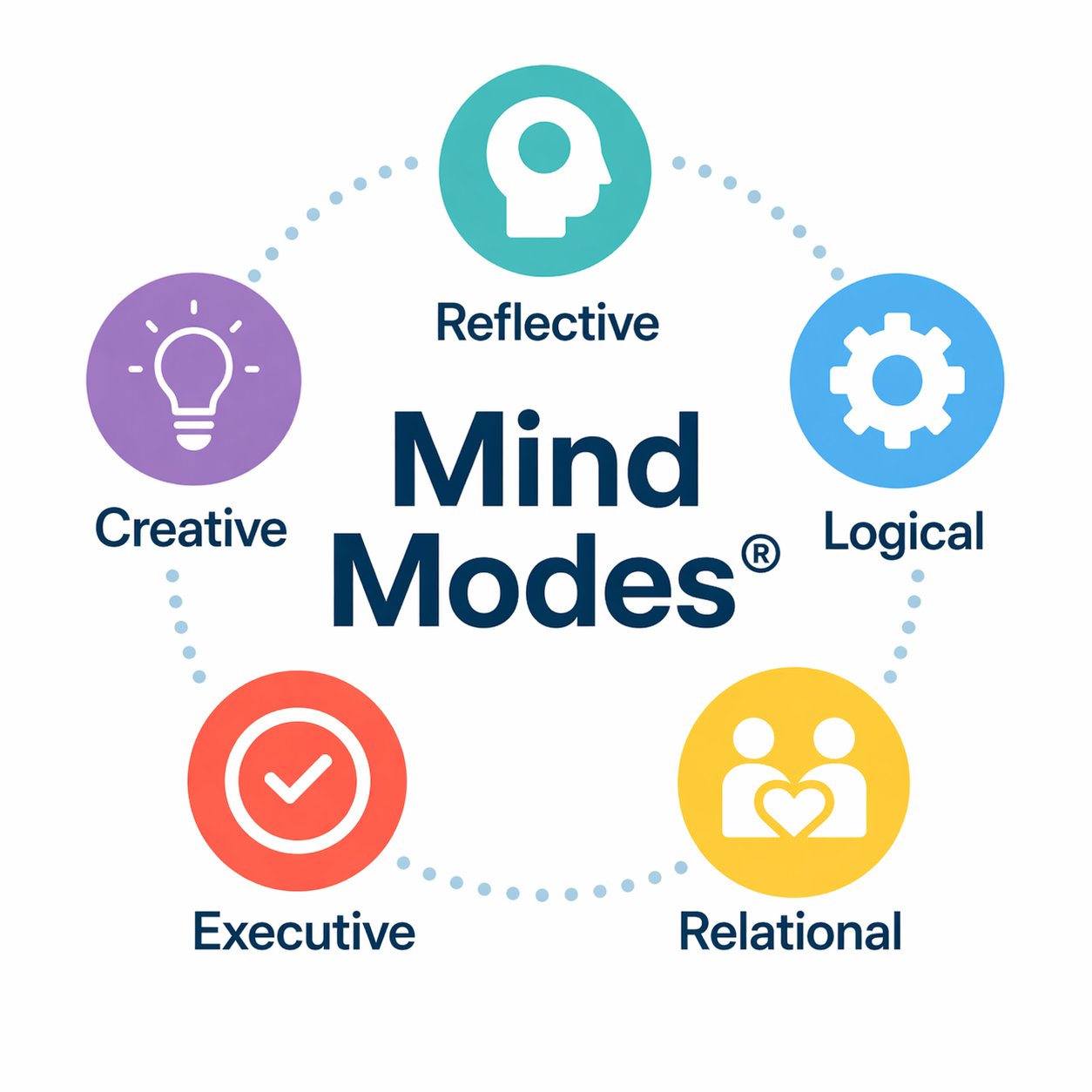

Every person begins thinking from a different starting point when facing situations or decisions.
Some people first reflect on deeper meaning.
Others analyze how things work.
Some focus on people and relationships.
Others move quickly into action.
This short check helps you discover the thinking lens you naturally start with.
Answer a few short questions about how you typically approach everyday situations.
You’ll receive your starting thinking lens, a short explanation of your pattern, and insight into your natural approach.
Your thinking lens reflects the perspective you naturally start with when interpreting situations.
This does not define everything about you, but it often shapes:
Many people find that recognising their starting lens helps them understand why they tend to react or respond in certain ways.

You tend to pause and reflect before moving forward. Your mind naturally looks for deeper meaning, patterns, or underlying causes.
You tend to examine how things work. Your thinking often focuses on structure, logic, and understanding systems.
You naturally notice the human side of situations. Relationships, emotions, and social dynamics often stand out quickly.
You tend to move quickly into action. Rather than staying in analysis for long, you often learn best by trying and adjusting.
The Thinking Lens Check is part of the Mind Modes® cognitive and stress pattern system.
Mind Modes® explores how different patterns of thinking shape the way people:
The full Mind Modes® self-assessment explores how multiple thinking modes interact, offering deeper insight into your cognitive and stress patterns.
Posted on GoogleTrustindex verifies that the original source of the review is Google. Coachnya asik, penjelasannya juga ga ribet, real bgt sm apa yg dijalanin sehari hari, sukses terus mind modesPosted on GoogleTrustindex verifies that the original source of the review is Google. Posted on GoogleTrustindex verifies that the original source of the review is Google. Posted on GoogleTrustindex verifies that the original source of the review is Google. Posted on GoogleTrustindex verifies that the original source of the review is Google. Posted on GoogleTrustindex verifies that the original source of the review is Google. GoodPosted on GoogleTrustindex verifies that the original source of the review is Google. Posted on GoogleTrustindex verifies that the original source of the review is Google. Posted on GoogleTrustindex verifies that the original source of the review is Google. Posted on GoogleTrustindex verifies that the original source of the review is Google.